
Air Compressor Maintenance Service
Posted On March 02, 2026
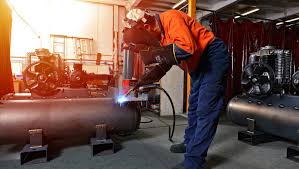
Air Compressor Maintenance Service
Primary Guide for Improving Efficiency of the Industry: Air Compressor Maintenance Services
All major industries such as engineering, construction, food processing, textiles, pharmaceuticals, and manufacturing rely heavily on air compressors. Maintaining efficiency and preventing the loss of potential revenue as a result of system outages is crucial for maintaining a facility's compressor system. Because of this, Air Compressor Maintenance Services are important for maintaining reliability, safety, and longevity of compressor systems.
This guide, step-by-step, shows how maintenance holds value for the organization.
Step 1: Acknowledging the Value of Air Compressor Maintenance
Maintenance is not reactive. It is intended to be preventative.
Maintenance is intended to address the following to keep the industry running:
Regaining and Improving the energy efficiency
Enhancing and Minimizing the lifespan of equipment
Reducing operational costs
Maintaining and Ensuring safety of the workplace
Safety of workplace to keep air pressure stable
Safety of workplace to keep moisture, dust and wear out of compressor systems
Annual maintenance of air compressors is upheld to prevent compressor systems from deteriorating.
Step 2: Routine Inspection and System Check
The first and most important step in maintenance service is a complete system inspection.
A professional technician will check:
Air filters
Oil levels and oil quality
Belts and couplings
Electrical connections
Pressure gauges
Safety valves
Air leaks in pipelines
Cooling system performance
This inspection helps detect early signs of wear, leakage, overheating, or contamination. Identifying these issues early reduces downtime and repair costs.
Step 3: Air Filter Cleaning and Replacement
Air filters prevent dust and contaminants from entering the compressor system. When filters become clogged, airflow is restricted, forcing the compressor to work harder.
Consequences of dirty air filters include:
Increased energy consumption
Reduced air output
Overheating
Damage to internal components
Maintenance service includes cleaning or replacing air filters depending on their condition. This simple step significantly improves performance and efficiency.
Step 4: Oil Inspection and Replacement (For Oil-Injected Compressors)
Oil plays a critical role in lubrication, cooling, and sealing inside the compressor.
During maintenance, technicians will:
Check oil level
Inspect oil color and contamination
Replace oil if necessary
Change oil filters
Old or contaminated oil reduces lubrication efficiency and increases wear on internal parts. Regular oil changes protect rotors, bearings, and other moving components.
Step 5: Checking and Replacing Separator Elements
The oil separator removes oil particles from compressed air. If it becomes clogged or damaged, oil carryover increases, leading to:
Reduced air quality
Increased oil consumption
Higher operational costs
Professional maintenance includes checking the separator element and replacing it when required to maintain clean and efficient compressed air output.
Step 6: Cooling System Maintenance
Air compressors generate significant heat during operation. An efficient cooling system is necessary to prevent overheating.
Maintenance includes:
Cleaning coolers
Checking cooling fans
Inspecting radiators
Removing dust and debris
If cooling components are blocked or damaged, system temperature rises, leading to shutdowns or internal damage. Proper cleaning ensures stable operation.
Step 7: Leak Detection and Pressure Testing
Air leaks are one of the biggest hidden costs in compressed air systems. Even small leaks can waste a large amount of energy.
Technicians perform:
Pressure drop tests
Leak detection checks
Pipe and joint inspection
Fixing leaks improves system efficiency and reduces electricity bills. In many cases, companies save significant energy costs simply by repairing leaks.
Step 8: Electrical System Inspection
Modern air compressors rely heavily on electrical components and control panels.
Maintenance service checks:
Control panel functionality
Wiring connections
Sensors and switches
Overload protection systems
Loose or faulty wiring can cause system failure or safety hazards. Routine inspection ensures smooth and safe operation.
Step 9: Performance Testing and Calibration
After completing all maintenance tasks, technicians conduct performance testing.
This includes:
Measuring air output
Checking pressure stability
Monitoring temperature
Testing automatic controls
Calibration ensures that the compressor operates according to manufacturer specifications. Proper performance testing guarantees maximum productivity and energy efficiency.
Step 10: Preventive Maintenance Planning (AMC Service)
The best way to avoid unexpected breakdowns is through a preventive maintenance schedule.
An Annual Maintenance Contract (AMC) typically includes:
Scheduled inspections
Filter and oil replacement
Emergency service support
Performance monitoring
Technical consultation
Preventive maintenance reduces major repair costs and extends equipment lifespan. It also ensures uninterrupted production, which is critical for industrial operations.
Benefits of Professional Air Compressor Maintenance Service
Choosing a professional service provider offers several advantages:
1. Increased Equipment Lifespan
Regular maintenance prevents premature wear and protects critical components.
2. Reduced Energy Consumption
Clean filters, leak-free pipelines, and proper lubrication significantly reduce electricity usage.
3. Improved Air Quality
Maintenance ensures clean, dry, and oil-free compressed air, which is essential for many industries.
4. Minimized Downtime
Scheduled servicing reduces unexpected breakdowns and production losses.
5. Cost Savings
Preventive care is always more affordable than major repairs or full system replacement.
How Often Should You Service an Air Compressor?
Maintenance frequency depends on:
Operating hours
Working environment
Compressor type (screw, piston, rotary)
Manufacturer recommendations
Generally:
Daily: Basic inspection and moisture drainage
Monthly: Filter checks and leak inspection
Quarterly: Oil and separator inspection
Annually: Full system servicing
Following a structured maintenance plan ensures optimal performance year-round.
Conclusion
Air compressors are critical assets in industrial operations. Ignoring maintenance can lead to reduced efficiency, higher energy costs, frequent breakdowns, and expensive repairs.A professional Air Compressor Maintenance Service includes inspection, cleaning, lubrication, leak detection, performance testing, and preventive planning. By following a step-by-step maintenance approach, businesses can maximize productivity, reduce operational costs, and extend equipment lifespan.