How Modern Control Systems Boost Compressor Performance
Posted On November 15, 2025
How Modern Control Systems Boost Compressor Performance
In the world of industrial air compressors, performance, reliability, and energy efficiency matter more than ever. Companies want more output with less energy use—and that’s exactly where modern control systems come in. These advanced controls are basically the brain of today’s compressors. They monitor, adjust, optimize, and even predict issues before they happen.
If your compressor still runs on old-school manual controls, you’re losing efficiency, wasting energy, and risking unnecessary downtime. Let’s break down how modern control systems transform compressor performance.
Why Control Systems Matter in Compressors
A compressor is only as smart as the system controlling it.
Traditional systems react slowly, waste air, and run machines harder than needed.
Modern control systems, on the other hand:
-
optimize real-time airflow
-
reduce energy consumption
-
minimize mechanical stress
-
extend equipment life
-
respond instantly to load changes
They're the difference between a “good enough” compressor and a high-performance, cost-saving machine.
How Modern Control Systems Improve Compressor Performance
1. Real-Time Monitoring and Adjustments
Modern controllers constantly track key metrics like:
-
pressure
-
temperature
-
load
-
motor speed
-
air demand
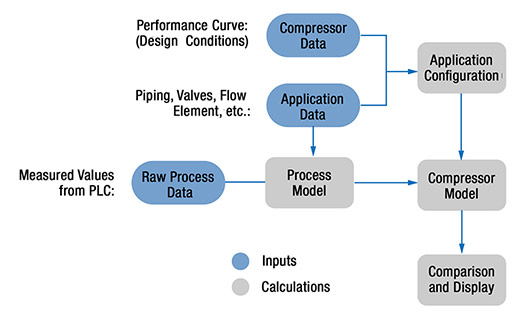
With this data, the system automatically adjusts output.
Low demand? It slows the compressor.
Demand spikes? It ramps up instantly.
No delay. No guesswork. Just smooth, efficient operation.
2. Advanced Energy Savings
Energy accounts for up to 70% of an air compressor’s lifetime cost.
Modern controls cut that number down by using:
• Variable Speed Drives (VSD)
VSD adjusts motor speed based on real demand, reducing energy waste.
• Smart Start/Stop Logic
Stops unnecessary running time, prevents idle losses.
• Load/No-Load Optimization
Ensures the compressor isn't burning electricity for no reason.
Result? Lower bills, higher uptime, and less stress on the entire system.
3. Predictive Maintenance & Early Fault Detection
Old compressors fail silently.
Modern ones warn you before the problem becomes expensive.
Control systems can detect:
-
overheating
-
pressure fluctuations
-
oil contamination
-
sensor failure
-
motor vibration
-
clogged filters
You get alerts instantly—via panel, SMS, email, or even a mobile app.
This prevents:
-
sudden breakdowns
-
costly emergency repairs
-
unplanned downtime
Predictive maintenance = major cost savings.
4. Better System Integration
Modern control systems can connect with:
-
SCADA
-
PLC systems
-
plant monitoring dashboards
-
cloud dashboards
-
multiple compressors in a network
This helps operators manage the entire air system from one place.
Data-driven decisions = more optimization, less waste.
5. Improved Air Quality & Stable Pressure
Control systems ensure consistent:
-
air pressure
-
airflow
-
temperature control
Stable air quality prevents:
-
product defects
-
machine jams
-
tool malfunction
It also helps sensitive industries like pharmaceuticals, textiles, and food processing maintain quality control.
6. Reduced Wear and Longer Equipment Life
When a compressor runs smoothly with fewer load spikes, less overheating, and optimized lubrication cycles, it experiences less mechanical stress.
Modern controls help:
-
reduce bearing wear
-
maintain oil quality
-
prevent excessive cycling
-
protect motors and valves
End result?
Your compressor lasts years longer with fewer repairs.
7. Remote Monitoring and Automation
With IoT-enabled systems, you can monitor your compressor from anywhere.
You can see:
-
performance graphs
-
upcoming maintenance needs
-
energy consumption
-
error alerts
Remote visibility gives the maintenance team a huge advantage and ensures zero surprises.
Conclusion
Modern control systems are not an optional upgrade—they're a game-changer. They boost compressor performance, reduce energy consumption, prevent breakdowns, and extend machine life.
Whether you're running a single compressor or a full industrial air system, upgrading to a modern controller means smarter decisions, smoother operations, and long-term cost savings.
If you want maximum efficiency with minimum headaches, modern compressor control systems are the way forward.