Top Maintenance Tips for Heavy-Duty Cleaning Equipment
Posted On November 15, 2025
Top Maintenance Tips for Heavy-Duty Cleaning Equipment
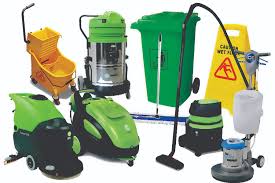
Heavy-duty cleaning equipment—such as industrial pressure washers, floor scrubbers, steam cleaners, sweepers, and industrial vacuums—are the backbone of many commercial operations. These machines handle dust, chemicals, grease, and debris day in and day out. Without regular maintenance, however, their efficiency can decrease, and their lifespan can shorten. In this article, we'll dive into top maintenance tips to keep your heavy-duty cleaning equipment running smoothly and performing at its best.
Why Maintenance Matters
Let’s face it—industrial machines aren’t cheap. And when they break down, it leads to costly downtime, production delays, and potentially, full system failure.
Regular maintenance is key to:
-
Reducing breakdowns
-
Improving efficiency
-
Lowering energy consumption
-
Extending machine life
-
Ensuring operator safety
In short: Good maintenance saves money and reduces stress.
Top Maintenance Tips for Heavy-Duty Cleaning Equipment
1. Daily Cleaning After Each Use
It might seem like a chore, but cleaning your heavy-duty equipment daily is crucial.
These machines gather dirt, grease, chemicals, and grime throughout the day. Cleaning them after each use prevents:
-
Clogging
-
Corrosion
-
Friction between moving parts
-
Overheating
Example:
If a floor scrubber isn’t cleaned at the end of the day, chemicals can build up in the recovery tank, which puts extra strain on the motor and leads to premature motor failure.
2. Inspect Filters Regularly
Filters are like the lungs of your cleaning equipment.
When filters get clogged, air or water flow is restricted, causing overheating and potentially damaging the system.
What to check:
-
HEPA filters
-
Water filters
-
Dust collection filters
-
Oil/Grease separator filters
Dirty filters should be replaced regularly, as cleaning them is often not enough to restore optimal performance.
3. Check Hoses, Nozzles, and Connectors
Hoses and nozzles are essential for the functioning of industrial vacuums, pressure washers, and steam cleaners. Any cracks, leaks, or kinks can reduce performance and even cause system failure.
What to do:
-
Inspect hoses daily for damage
-
Clean hoses weekly, especially if using harsh chemicals
-
Replace damaged hoses immediately to avoid leaks
4. Lubrication Is Not Optional
Regular lubrication reduces friction between parts, preventing unnecessary wear and tear. Skipping lubrication increases strain on motors and moving components.
Best practices:
-
Lubricate moving parts every 2-3 weeks
-
Use manufacturer-approved grease
-
Avoid over-lubricating, as it can attract dust and debris
5. Battery Maintenance (For Battery-Powered Equipment)
For machines like floor scrubbers and sweepers that run on batteries, proper battery maintenance is essential.
What to do:
-
Fully charge batteries after every use
-
Maintain the correct water levels in lead-acid batteries
-
Tighten any loose battery connections
-
Avoid letting batteries discharge completely
6. Use the Right Cleaning Agents
Using the wrong cleaning chemicals can damage machine parts, corrode seals, and affect performance. Always use the recommended cleaning agents for your specific equipment.
What to avoid:
-
Harsh chemicals that aren’t designed for your machine
-
Cheap, generic cleaners that may leave residues
-
Overusing chemicals, as it can lead to clogging and residue buildup
7. Check Brushes, Pads, and Belts
For scrubbers and other cleaning machines, worn-out brushes, pads, or belts can reduce cleaning effectiveness and cause unnecessary strain on the machine.
How to tell when it's time to replace:
-
Brushes look worn or uneven
-
Pads are thinner than 1 cm
-
Belts are loose or slipping
Worn brushes or pads lead to poor cleaning results and can cause other parts to overwork.
8. Proper Storage is Key
Storing your cleaning equipment properly is vital for extending its life. If machines are stored in wet or dusty environments, they are more likely to experience rust, mold, or electrical issues.
Storage tips:
-
Store in a dry, cool area
-
Ensure the storage area is well-ventilated
-
Keep machines covered to protect them from dust and dirt
-
Avoid exposure to harsh chemicals
9. Follow a Preventive Maintenance Schedule
Reactive repairs are always costlier than preventive ones.
Create and follow a detailed maintenance schedule to avoid major breakdowns and keep your equipment in top shape.
Sample schedule:
-
Daily: Surface cleaning
-
Weekly: Filter & nozzle check
-
Monthly: Deep inspection
-
Quarterly: Professional servicing
10. Record Every Maintenance Activity
Keeping a log of every maintenance activity helps track the condition of your equipment over time. This record helps identify recurring issues and can serve as a useful reference for future repairs or servicing.
Benefits:
-
Track component replacements
-
Identify patterns of recurring problems
-
Detect if operators are misusing equipment
Conclusion
Heavy-duty cleaning equipment is an investment that requires proper care and attention. By following these maintenance tips, you’ll increase the lifespan of your equipment, reduce energy consumption, prevent breakdowns, and ultimately save money.
The goal is simple: Regular maintenance means smoother operations, fewer repairs, and more productivity.